New Trucking Provisions in Defense Spending Law
Trump Signs National Defense Authorization Act President Trump has officially signed the National Defense Authorization Act (NDAA), which contains key provisions affecting truckers who transport freight for the U.S. military. The NDAA, which was approved by both the House and Senate earlier this Dec

Trump Signs National Defense Authorization Act
President Trump has officially signed the National Defense Authorization Act (NDAA), which contains key provisions affecting truckers who transport freight for the U.S. military.
The NDAA, which was approved by both the House and Senate earlier this December, allocates a historic $901 billion for military expenditures in the fiscal year 2026. Among the law’s stipulations is a requirement for the U.S. Department of Defense (DoD) to ensure restroom access for truck drivers who transport arms and explosives and must enter secure areas at military bases.
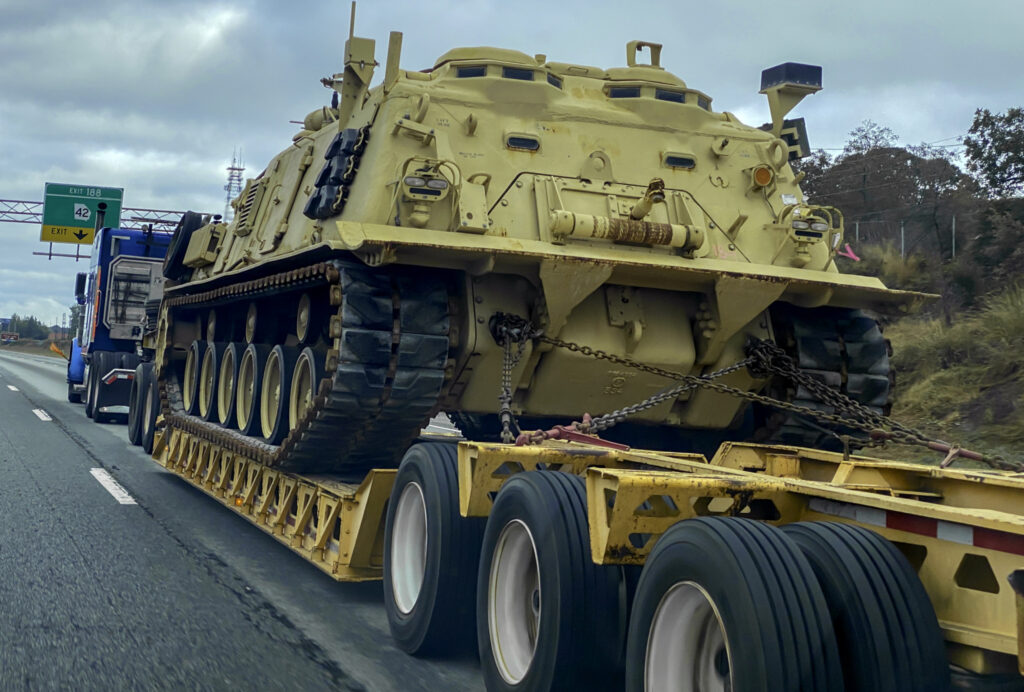
The new legislation mandates an audit of the Freight Carrier Registration Program by the DoD. (Photo: iStock)
The legislation also mandates that the DoD create a complaint mechanism for both government and industry stakeholders to report any potential noncompliance with federal regulations and agency policies regarding military freight transportation.
Furthermore, the DoD is required to conduct audits of the Freight Carrier Registration Program to verify that service providers possess active DOT operating authority.
Mike Matousek, director of the American Trucking Associations’ Government Freight Conference, stated, “Our members play a crucial role in supporting the DoD, and these changes are expected to enhance highway safety, bolster national security, and strengthen our collaboration with a valued customer.”
Avatar photo
TruckNews.com is a premier source of information for the trucking industry, providing essential insights to fleet executives, operations teams, maintenance crews, owner-operators, and more. Our experienced journalists deliver award-winning news, trends, technical advancements, maintenance practices, and business strategies critical to the trucking sector.