Navigating Local Regulations for Trucking Success
The trucking sector in Canada plays a crucial role in the country’s economy, facilitating the transport of goods over long distances. However, local laws and regulations at the municipal level are increasingly affecting trucking activities, posing challenges for both businesses and drivers. A locati
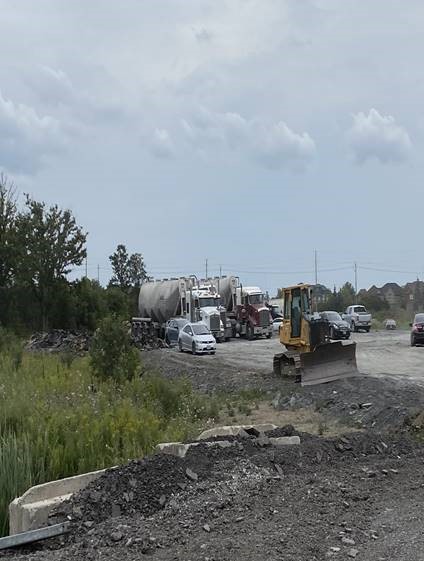
The trucking sector in Canada plays a crucial role in the country’s economy, facilitating the transport of goods over long distances.
However, local laws and regulations at the municipal level are increasingly affecting trucking activities, posing challenges for both businesses and drivers.
A location on Mayfield Road in Caledon that was utilized for truck parking in 2021. Currently, the area has been cleared of all trucks and trailers. (Photo: Town of Caledon)
Land Use and Zoning Challenges
A significant concern for the trucking industry involves land use and zoning laws. Numerous municipalities enforce stringent zoning regulations that determine where trucking operations can occur and where trucks may park.
These regulations aim to prevent land misuse and ensure commercial activities do not disturb nearby residential areas. However, they often restrict the availability of appropriate sites for trucking operations, compelling companies to operate in less accessible or more costly locations.
Challenges with Parking Restrictions
Parking restrictions represent another major hurdle. Many municipalities have established rules that limit truck parking locations, both during business hours and overnight.
These restrictions are primarily designed to alleviate congestion and enhance safety on local roadways. Nevertheless, they can create challenges for truck drivers seeking safe and legal parking spaces during their downtime. The insufficient availability of truck parking facilities is a widespread concern, necessitating collaboration between municipalities and the trucking industry to develop solutions that address the needs of both residents and drivers.
Impact of Noise and Emission Regulations
Municipal regulations regarding noise and emissions are also influencing trucking operations. An increasing number of municipalities are implementing bylaws that restrict noise levels and emissions from trucks.
These regulations are part of broader initiatives aimed at minimizing environmental impact and enhancing residents’ quality of life. While these objectives are important, they can impose additional financial burdens on trucking companies, which may need to invest in newer, quieter, and more environmentally friendly vehicles to meet compliance standards.
Infrastructure and Road Maintenance Issues
Many truck drivers face challenges such as potholes, uneven surfaces, and various road hazards. The overall condition of local infrastructure and road maintenance is a pressing issue that shows little improvement.
Neglected roads contribute to increased wear and tear, higher maintenance expenses, and lengthier travel periods. Municipalities are tasked with maintaining local roads, but budget limitations and conflicting priorities can lead to insufficient maintenance.
To tackle these municipal challenges, cooperation between the trucking sector and local governments, along with municipal officials, is essential to advocate for policies that meet the industry’s demands while also considering residents’ concerns. This collaboration may involve advocating for additional truck parking options, improved road upkeep, and reasonable zoning regulations to facilitate efficient trucking operations.
Municipal regulations significantly shape the operational environment for the trucking industry. Although these policies are often created with residents’ and environmental interests in mind, they can also pose obstacles for trucking businesses and their drivers.
Through partnership between the trucking industry and municipal authorities, it is possible to identify solutions that satisfy all stakeholders, enabling the industry to thrive continuously.