FMCSA Unveils Two-Step English Proficiency Test for Truck Drivers
Updated Guidance from FMCSA on English Proficiency for Drivers The Federal Motor Carrier Safety Administration (FMCSA) has released new guidelines for law enforcement to assess whether commercial vehicle drivers have adequate English language proficiency (ELP) to prevent citations or out-of-service
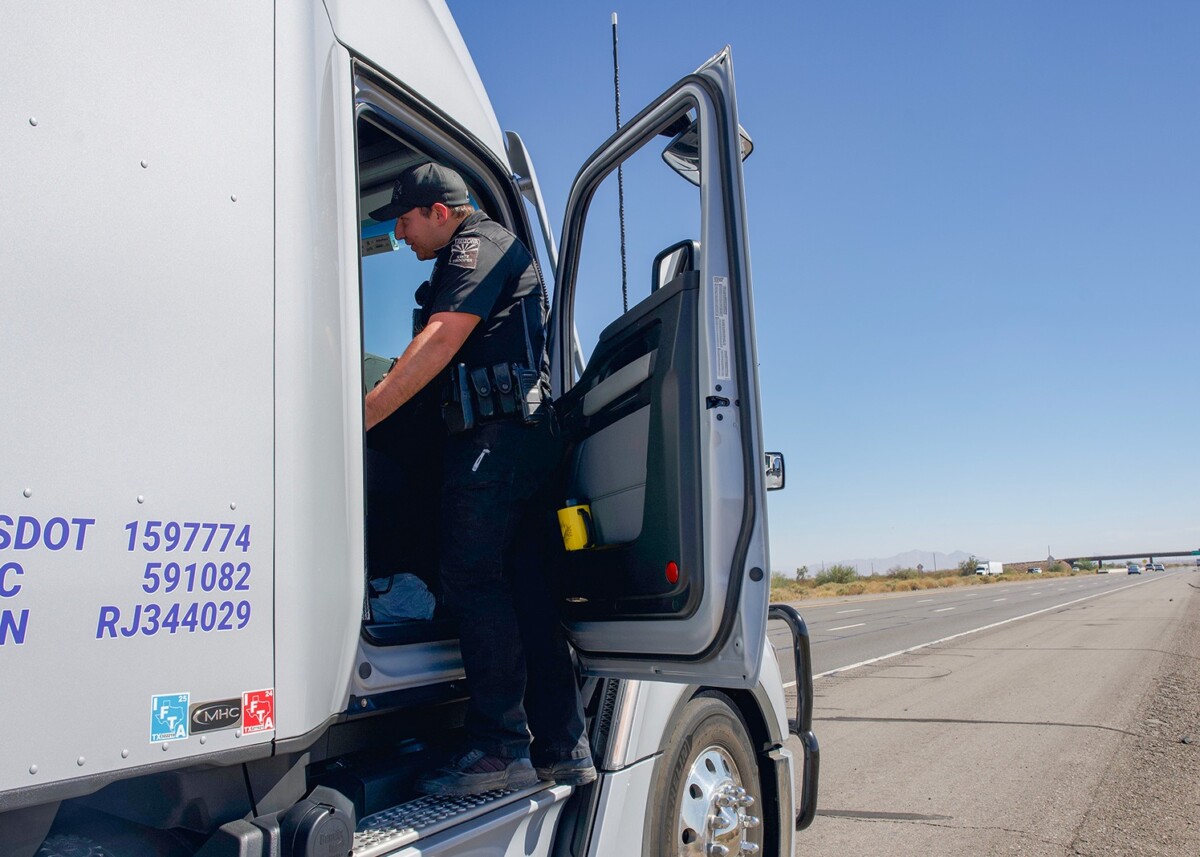
Updated Guidance from FMCSA on English Proficiency for Drivers
The Federal Motor Carrier Safety Administration (FMCSA) has released new guidelines for law enforcement to assess whether commercial vehicle drivers have adequate English language proficiency (ELP) to prevent citations or out-of-service orders.
Executive Order Mandating English Proficiency Enforcement
In late April, President Trump enacted an Executive Order (EO) mandating the enforcement of existing ELP standards for truck drivers. This order aimed to reverse a 2016 policy that stated commercial vehicle drivers should not be placed out of service due to ELP violations. Following the EO, the Commercial Vehicle Safety Alliance modified the North American Standard Out-of-Service Criteria to once again categorize ELP violations as out-of-service offenses, effective June 25, 2025.
Internal Memo Issued by FMCSA
On May 20, 2025, the FMCSA issued an internal memo offering directions for law enforcement on how to judge drivers’ ELP during inspections. The memo specifies a two-step language assessment process that is to be implemented immediately:
Step 1: Driver Interview
The initial step involves assessing the driver’s capability to respond adequately to official inquiries in English, as stipulated by 49 CFR § 391.11(b)(2). Inspectors are advised to initiate all roadside inspections in English. If there is an indication that the driver may not comprehend the inspector’s instructions, an ELP assessment should be performed. During the driver interview, tools such as interpreters and smartphone applications should not be used, as they may conceal the driver’s inability to communicate in English.
If the inspector finds that the driver cannot adequately respond to inquiries in English, FMCSA policy dictates that the inspector should cite the driver for a violation of 49 CFR § 391.11(b)(2), without proceeding to Step 2.
Step 2: Highway Traffic Sign Recognition Assessment
The second step involves examining the driver’s understanding of U.S. highway traffic signs, including electronic display signs. This assessment aims to confirm the driver’s ability to recognize signs as per the Federal Highway Administration’s Manual on Uniform Traffic Control Devices. Documentation of the assessment’s findings is mandatory, including the driver’s responses or lack thereof, and drivers should be placed out of service for ELP violations when necessary.
Exemptions for Specific Drivers
The memo also stipulates that drivers operating in commercial zones along the U.S.-Mexico border are to be cited for ELP violations but should not be placed out of service or disqualified from operating commercial vehicles.