Fire Truck Lacked Warning System in Fatal LaGuardia Incident, Reports NTSB
NEW YORK (TNND) — Investigators are looking into the tragic collision between an Air Canada regional jet and a fire truck at New York’s LaGuardia Airport, noting that the runway warning system failed to sound an alarm prior to the incident. Investigation Insights Jennifer Homendy, Chair of the Natio
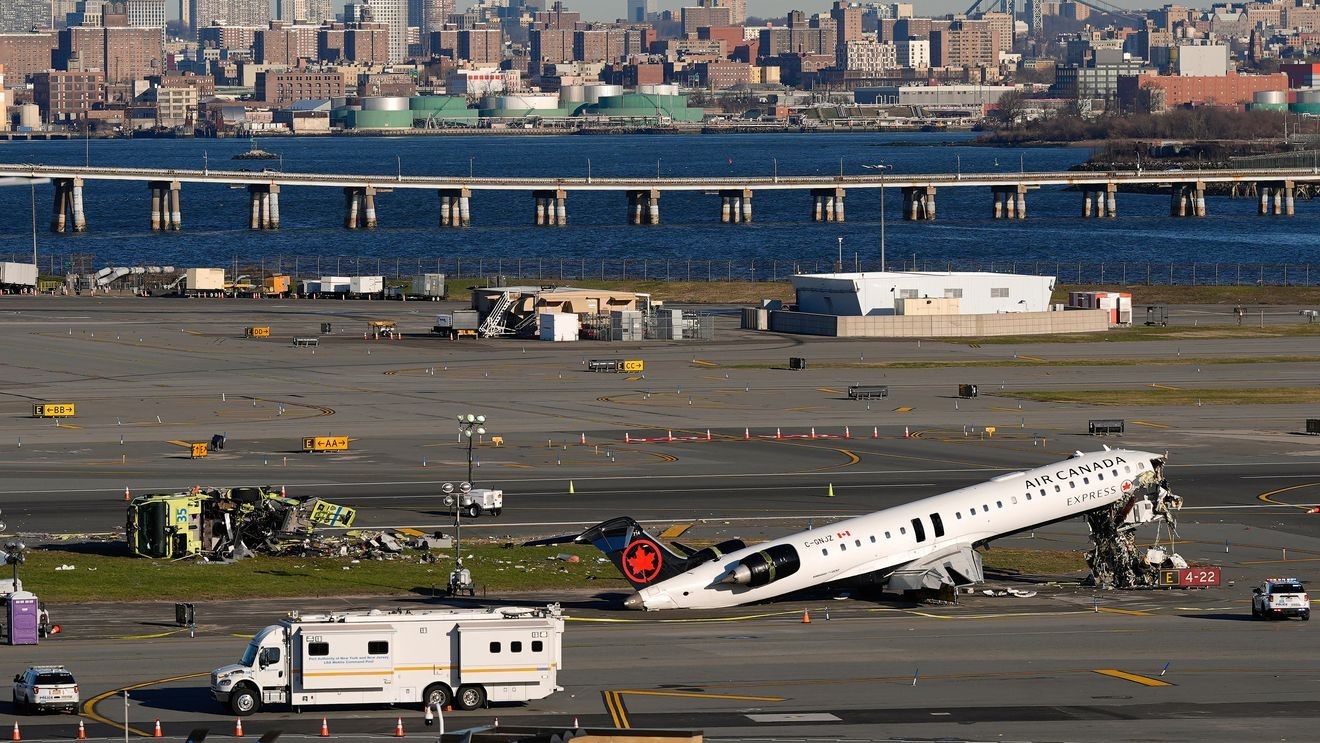
NEW YORK (TNND) — Investigators are looking into the tragic collision between an Air Canada regional jet and a fire truck at New York’s LaGuardia Airport, noting that the runway warning system failed to sound an alarm prior to the incident.
Investigation Insights
Jennifer Homendy, Chair of the National Transportation Safety Board (NTSB), remarked that the event likely resulted from multiple factors rather than a single error. “It happened very quickly,” she stated during a Tuesday afternoon press conference.
Runway Warning System Failure
Initial findings suggest that the ASDE-X system, which is designed to help air traffic controllers monitor ground movements of both aircraft and vehicles, did not function correctly because the fire truck lacked a transponder. Homendy explained, “ASDE-X did not generate an alert due to the close proximity of vehicles merging and unmerging near the runway, resulting in the inability to create a track of high confidence,” based on the analysis from both NTSB and the FAA.
Ongoing Investigations
NTSB investigators plan to review data from the flight data recorder and will also need to interview the firefighters involved to ascertain whether they attempted to brake or steer away from the crash. There were two individuals in the tower cab during the incident, including the local and ground controllers.
Controller Workload
Homendy urged caution in assigning blame to the controllers amid numerous media reports suggesting they were distracted while handling a late-night emergency involving another aircraft. “This is a heavy workload environment… We still need to investigate the events surrounding the shift change around 10:30, including who was present at that time,” she stated.
Casualties and Injuries
The aircraft, carrying 72 passengers and four crew, collided with the fire truck during its landing late Sunday night, resulting in the deaths of the pilot and co-pilot, while injuring dozens more. Approximately 40 individuals, including two from the fire truck, were taken to hospitals, with some sustaining serious injuries. However, most had been released by Monday morning.
Focus of Investigation
Authorities are concentrating on understanding why the fire truck was on the runway when the aircraft was landing and why it failed to stop despite urgent warnings from air traffic control. They are also evaluating the actions of controllers and any additional demands in the tower that might have contributed to the crash. This incident marks the first fatal accident at LaGuardia Airport in over 30 years, according to the Port Authority of New York and New Jersey.
Flight Background
The flight, operated by Jazz Aviation for Air Canada, was on its way from Montreal to New York. Both the deceased pilot and co-pilot were based in Canada, as noted by Kathryn Garcia, the executive director of the Port Authority. This crash occurred during a period of rising frustration with U.S. air travel, compounded by long security lines amid a partial government shutdown. Although flights resumed at LaGuardia on Monday, the runway where the crash occurred remained closed, causing significant delays.
\_\_\_\_\_\_\_\_\_\_\_\_\_
EDITOR’S NOTE: The Associated Press contributed to this report.