Essential Umbrella Policies for Meeting New Truck Coverage Standards
New Jersey’s New Insurance Requirement: A Landmark Change Gary La Spisa, the vice president of the ICNJ, which advocates for insurance providers, collaborated with lawmakers to develop a bill that establishes New Jersey’s insurance requirement as the highest in the nation. In an interview with Freig
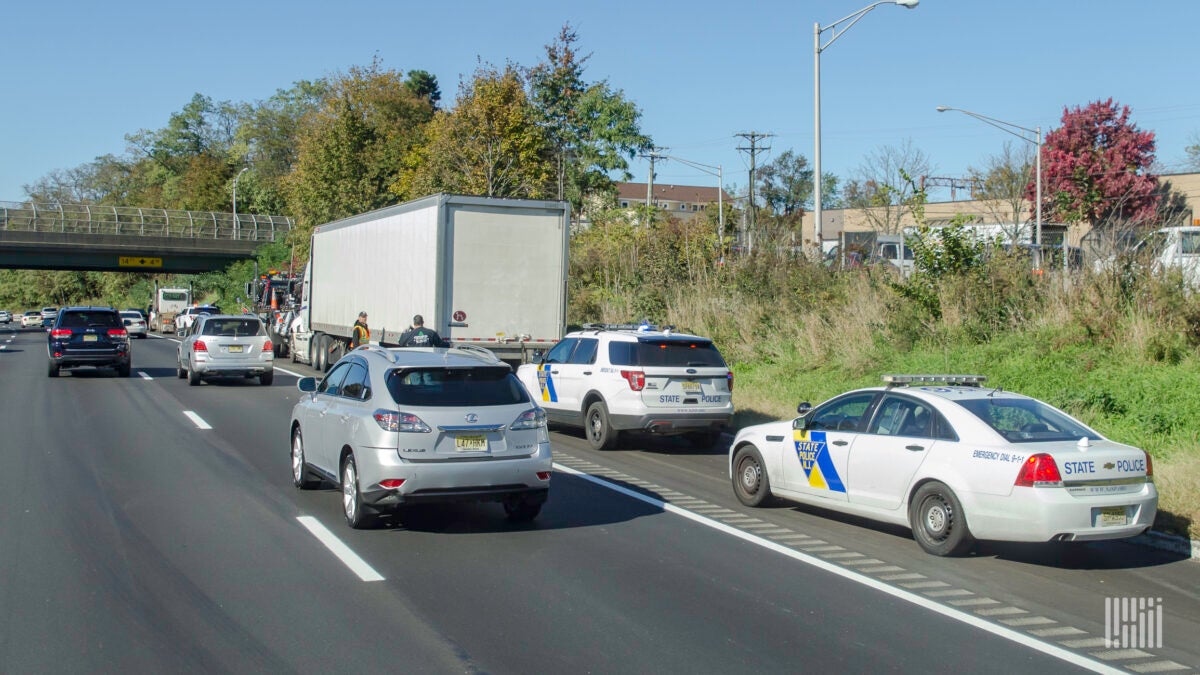
New Jersey’s New Insurance Requirement: A Landmark Change
Gary La Spisa, the vice president of the ICNJ, which advocates for insurance providers, collaborated with lawmakers to develop a bill that establishes New Jersey’s insurance requirement as the highest in the nation.
In an interview with FreightWaves, La Spisa expressed that his organization views it as a significant achievement that the new law allows a fleet’s umbrella insurance to satisfy the $1.5 million coverage requirement, rather than necessitating that amount for each individual truck. This bill was approved by the New Jersey Legislature last month and signed into law by Governor Phil Murphy.
Understanding Umbrella Coverage
Umbrella policies are designed to cover costs that may exceed the liability limits present in other insurance policies, such as those for personal or commercial vehicles.
“The primary request from the ICNJ and many business associations was to address fleet-level insurance policies rather than individual vehicle policies. Companies with multiple trucks typically secure insurance beyond just a commercial auto policy, encompassing other liability protections,” La Spisa stated. “We aimed to ensure that the legislation reflected how trucks are insured, focusing on fleet coverage instead of per-vehicle mandates.”
Cost Implications of the New Requirement
La Spisa did not specify the potential cost difference between fleet coverage mandates and per-vehicle insurance, but noted that legislators were informed that premiums for per-vehicle coverage would be “exponential.” He believes this reasoning helped persuade lawmakers to support the bill, as they recognized the necessity for it to align with real-world fleet insurance practices.
Challenges with Out-of-State Vehicles
One area that La Spisa admitted he could not clarify was how the new higher minimum coverage would affect out-of-state vehicles passing through New Jersey. The new insurance minimums apply to trucks weighing 26,001 pounds and above, falling under state law that pertains to any vehicle registered or primarily garaged in New Jersey. This implies that companies only traversing New Jersey may not be significantly impacted, potentially prompting them to relocate their operations to neighboring states like Pennsylvania or New York.
Legal Complexities and Considerations
La Spisa indicated that a definitive ruling from the state’s motor vehicle department may be necessary regarding the law’s applicability. Compounding these uncertainties are other federal and state regulations, including the “deemer law,” which could convert a non-New Jersey resident’s car insurance policy to a New Jersey policy while driven within state lines. Historically, this law has been applied primarily to passenger vehicles, raising unanswered questions about its relevance to commercial truck operations.
Next Steps for Compliance
The new law is set to take effect on July 1. La Spisa advised that carriers utilizing independent agents and brokers should consult with them to ensure their existing insurance meets the new requirements. He anticipates that most policies for major operators will already comply, while smaller fleets might need to work with their insurance providers to obtain additional coverage or adjust their policies to meet the new standards.
Although the law could lead to increased business for ICNJ’s members representing 90 insurance carriers, La Spisa clarified that the organization generally opposes insurance mandates. “We are pleased that we successfully limited the adverse impacts of this legislation,” La Spisa remarked. He acknowledged that there was consideration of enforcing the $1.5 million requirement across all commercial vehicles in New Jersey, which would have had disastrous consequences. The negotiations resulted in a more manageable resolution.